
Table of Contents
Can You Have Sex During Pregnancy?

Short answer: yes — in most healthy pregnancies, sex is safe.
Many expectant parents wonder, can you have sex during pregnancy? This is a common concern.
Understanding if you can have sex during pregnancy is crucial for maintaining intimacy and connection.
So, can you have sex during pregnancy? Yes, and many couples find their connection deepens.
Many people ask, can you have sex during pregnancy without risk? Generally, it is safe.
And yet, this is one of the most searched questions during pregnancy because it sits at the intersection of desire, fear, body changes, and protection instincts. Many people worry about harming the baby, triggering labor, or feeling pain they didn’t expect.
Here’s the truth: pregnancy changes how sex feels, not whether intimacy is allowed. Understanding what’s normal, what’s not, and how to adapt can make the difference between anxiety and confidence.
This guide breaks down what’s safe, why sex may hurt, how to reduce discomfort, and how intimacy evolves before and after pregnancy — without shame or medical fear-mongering.
To clarify, yes, you can have sex during pregnancy if there are no complications.
Is Sex Safe in Every Trimester?
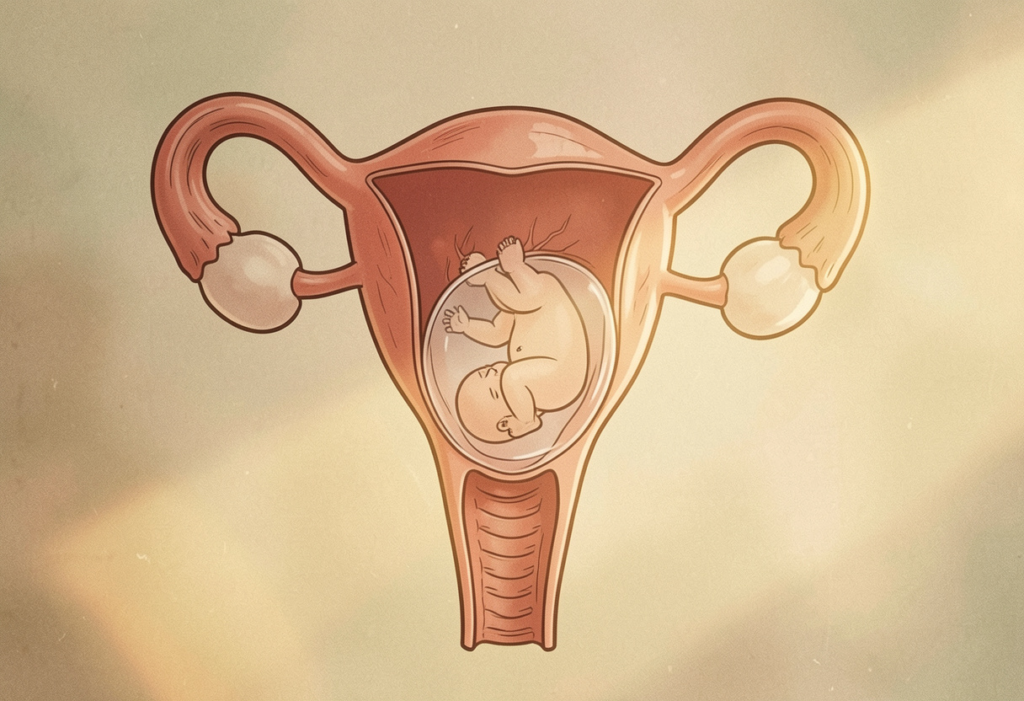
For most people with uncomplicated pregnancies, sex is medically safe in all three trimesters.
- The baby is protected by the uterus, amniotic fluid, and cervix
- Penetration does not reach or harm the baby
- Orgasms may cause uterine contractions, but these are usually mild and normal
That said, how sex feels can change significantly by trimester.
For most healthy pregnancies, sex is medically safe throughout all three trimesters — a position supported by major obstetrics organizations like American College of Obstetricians and Gynecologists. , National Health Service (UK)
When wondering, can you have sex during pregnancy, it’s important to feel comfortable and safe.
If you’re concerned about pain, you may ask, can you have sex during pregnancy safely? Yes, with modifications.
Why Sex Can Feel Painful During Pregnancy
Painful sex during pregnancy is common — but not something you have to “just tolerate.”
Possible reasons include:
- Increased blood flow → vaginal sensitivity or pressure
- Hormonal changes → dryness or irritation
- Pelvic congestion → aching or fullness
- Cervical sensitivity → deep penetration discomfort
- Muscle tension caused by anxiety or fear
Pain does not automatically mean something is wrong — but it is a signal worth listening to.
Supported by:
- Hormonal and vascular changes described in obstetric textbooks and reviews
- Pelvic congestion syndrome literature
Burning Sensation After Sex (First Trimester)
A burning or stinging feeling after sex, especially early in pregnancy, is often linked to:
- Hormonal shifts changing vaginal pH
- Increased sensitivity of vaginal tissue
- Reduced natural lubrication
- Mild irritation from friction
What can help:
- Slower arousal and longer foreplay
- Water-based, pregnancy-safe lubricant
- Avoiding deep or fast thrusting
- Urinating after sex to reduce irritation
If burning is persistent, worsening, or accompanied by unusual discharge, medical advice is important.
Supported by:
- Vaginal pH and estrogen research during early pregnancy
- UTI and vulvovaginal irritation guidelines
Best Sex Positions During Pregnancy
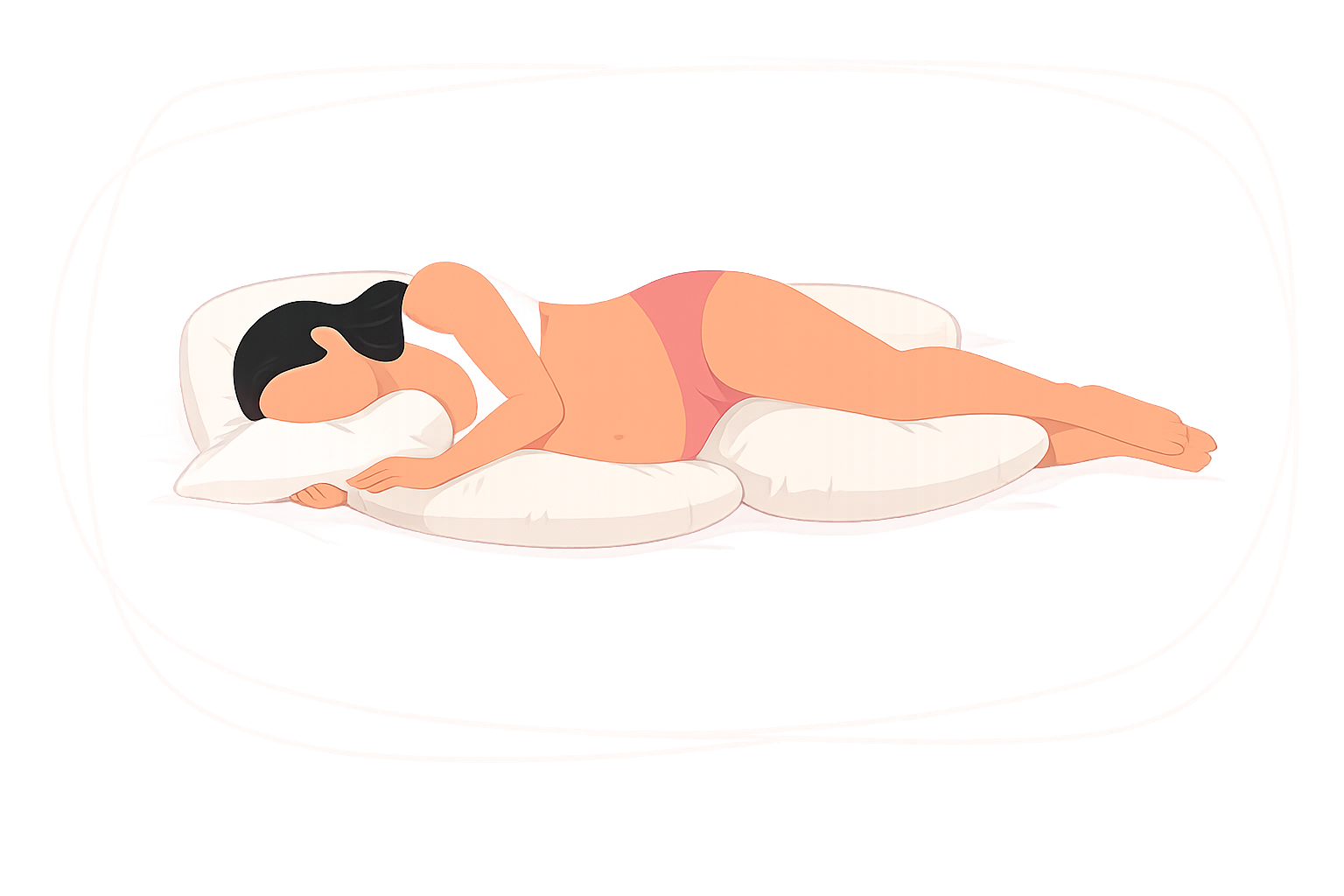
Comfort matters more than performance during pregnancy. Positions that reduce pressure, depth, and strain tend to work best.
Commonly comfortable options:
- Side-lying (spooning)
- Partner-on-top with shallow penetration
- Seated positions with support
- Rear-entry with pillows for alignment
Avoid positions that:
- Put pressure on the belly (later pregnancy)
- Require lying flat on your back for long periods
- Cause pain, breathlessness, or dizziness
There is no “best” position universally — comfort is the metric.
Emotional Changes, Desire & Sex Dreams

Many people experience increased libido or vivid sexual dreams during pregnancy. This is normal and linked to:
- Hormonal fluctuations
- Heightened blood flow
- Changes in sleep cycles
- Emotional processing of identity and body changes
Sex dreams during pregnancy do not predict behavior or relationship dissatisfaction — they’re part of the brain adapting.
At the same time, some people experience lower desire, body discomfort, or emotional disconnect. All of these responses are valid.
Questions like, can you have sex during pregnancy are common, but each situation is unique.
When to Avoid Sex During Pregnancy
Finding comfortable positions can help when you ask, can you have sex during pregnancy?
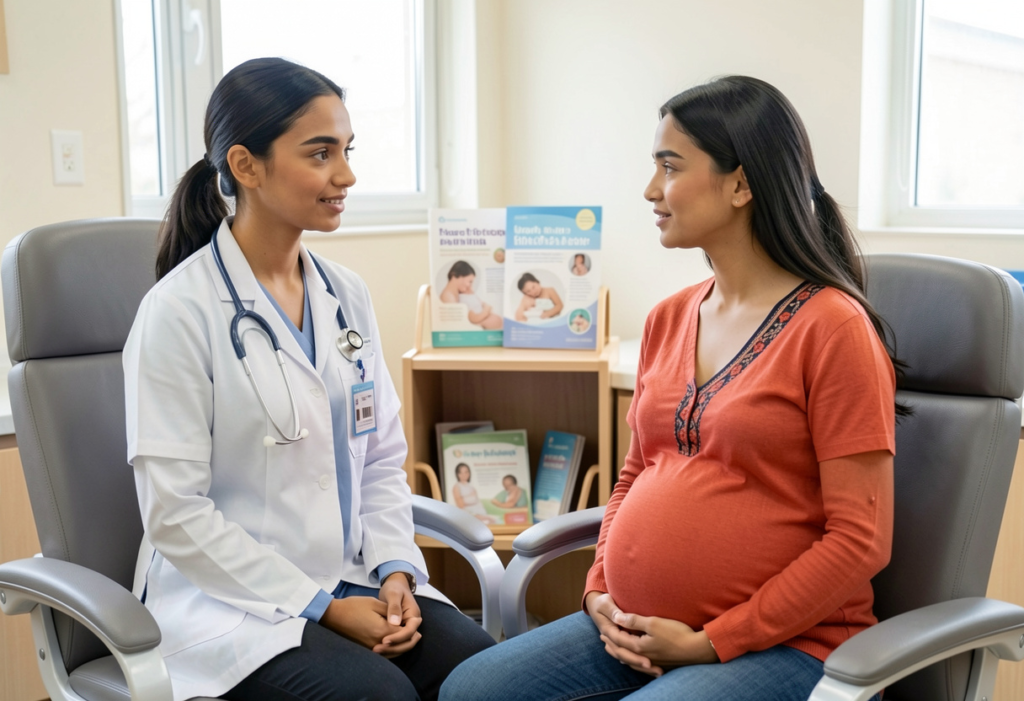
Healthcare providers may recommend avoiding sex if there is:
- Placenta previa
- Risk of preterm labor
- Unexplained bleeding
- Leaking amniotic fluid
- Certain cervical conditions
If advised to abstain, intimacy can still exist through:
- Touch and massage
- Emotional closeness
- Non-penetrative pleasure
Sex is one form of intimacy — not the only one.
Supported by:
- Mayo Clinic
- World Health Organization (general pregnancy safety guidance)
Sex After Pregnancy: What to Expect

Pain during sex after pregnancy is also common, especially if there was:
- Vaginal birth or tearing
- Hormonal suppression (breastfeeding)
- Fatigue or pelvic floor changes
Early postpartum sex may feel:
- Dry
- Tight
- Emotionally unfamiliar
This usually improves with time, patience, lubrication, and pelvic floor recovery. Persistent pain deserves professional attention.
Intimacy may change, leading to the question, can you have sex during pregnancy? Yes, it can still be fulfilling.
Supported by:
- Postpartum dyspareunia studies
- Pelvic floor recovery research
When to Talk to a Doctor
Seek medical guidance if you experience:
- Sharp or worsening pain
- Bleeding after sex
- Burning that doesn’t resolve
- Fear or anxiety preventing intimacy
Pain is not a failure — it’s feedback.
SLAYTEASE TAKEAWAYS
Sex during pregnancy isn’t about pushing through discomfort or meeting expectations — it’s about adapting with compassion.
- Sex is usually safe, but comfort always comes first
- Pain is common, not shameful — and often fixable
- Desire can increase, decrease, or fluctuate without meaning anything is “wrong”
- Communication and pacing matter more than positions
- Professional support is a strength, not a last resort
Your body is doing something extraordinary. Pleasure, safety, and consent still belong to you.
In summary, if you wonder, can you have sex during pregnancy? The answer is generally yes, but consult your doctor.
Ultimately, can you have sex during pregnancy is a question that many couples discuss openly.
In conclusion, can you have sex during pregnancy is a key topic for maintaining intimacy.