
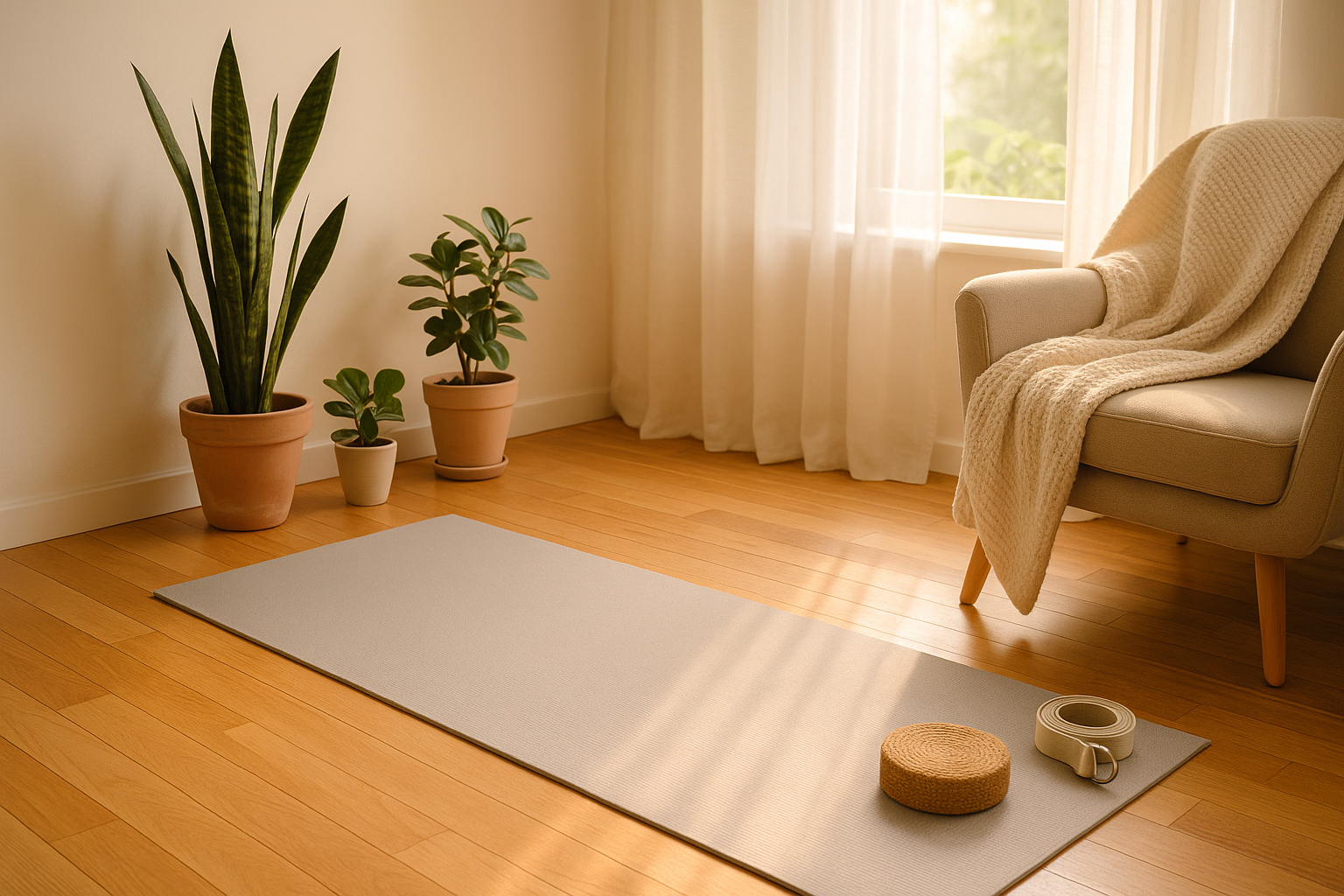
Improve flexibility, relieve tension, and support bladder control with these easy, at-home pelvic floor

Gentle Pelvic Floor Stretches You Can Do at Home
If you’ve ever experienced pelvic discomfort, tightness, or issues like incontinence, you might be dealing with pelvic floor muscle tension. While strengthening exercises (like Kegels) are well known, pelvic floor stretches are just as important—especially if your muscles are overactive or tight.
The best part? You can do these stretches at home, without expensive equipment, and see benefits in flexibility, comfort, and overall pelvic health.
Why Stretching Your Pelvic Floor Matters

Your pelvic floor muscles support your bladder, bowel, and reproductive organs. When they’re too tight, they can cause:
- Pelvic pain or pressure
- Pain during intimacy
- Difficulty urinating or emptying your bowels
- Lower back or hip pain
Gentle stretching helps release tension, improve blood flow, and restore a healthy balance between strength and relaxation.
How to Stretch Your Pelvic Floor Safely
Before you begin:
- Breathe deeply – Diaphragmatic breathing helps signal the pelvic floor to relax.
- Go slow – Avoid forcing your body into a position.
- Stay consistent – Daily gentle stretches are more effective than occasional intense ones.
6 Gentle Pelvic Floor Stretches You Can Do at Home
1. Diaphragmatic Breathing (Belly Breathing)

Best for: Relaxing pelvic floor muscles before deeper stretches
How to do it:
- Lie on your back with knees bent, feet flat.
- Place one hand on your chest, one on your belly.
- Inhale slowly through your nose, letting your belly rise (not your chest).
- Exhale fully, feeling your pelvic floor soften.
Pro Tip: Spend 5 minutes on this before any stretch.
2. Happy Baby Pose

Best for: Opening hips and releasing pelvic tension
How to do it:
- Lie on your back, bring knees toward your chest.
- Hold the outsides of your feet (or behind thighs).
- Gently pull knees toward the floor, keeping ankles over knees.
- Relax your jaw and shoulders.
3. Deep Squat Stretch

Best for: Increasing pelvic floor flexibility
How to do it:
- Stand with feet slightly wider than shoulder-width.
- Lower into a squat, keeping heels on the ground.
- Rest elbows inside knees and gently press them outward.
- Hold for 20–30 seconds, breathing deeply.
4. Child’s Pose

Best for: Gentle lower back and pelvic stretch
How to do it:
- Kneel on the floor, big toes touching, knees apart.
- Fold forward, arms stretched out, forehead on the mat.
- Relax into the pose, feeling your pelvic floor release.
5. Figure Four Stretch (Supine Glute Stretch)

Best for: Releasing glute & hip tension that affects the pelvic floor
How to do it:
- Lie on your back, knees bent.
- Cross your right ankle over your left knee.
- Pull your left thigh toward your chest until you feel a stretch.
- Switch sides.
6. Low Lunge (Hip Flexor Stretch)

Best for: Relieving front-pelvic tension
How to do it:
- Step your right foot forward into a lunge position.
- Lower your left knee to the floor.
- Shift hips forward gently until you feel a stretch in the front of your hip.
- Switch sides.
How Often Should You Do Pelvic Floor Stretches?
For most people, 5–10 minutes daily is enough to see improvements within a few weeks.
- Postpartum women: Check with your healthcare provider before starting.
- Those with pelvic pain: Gentle, consistent practice is more effective than forcing flexibility.
Final Tips for Pelvic Floor Health
- Combine stretching with strengthening (like Kegels) for balanced pelvic health.
- Stay hydrated—muscles function better when well hydrated.
- Listen to your body—mild discomfort is okay, sharp pain is not.
Call to Action
Want more expert pelvic health tips? Visit Slaytease.com for beginner-friendly guides, product reviews, and wellness advice.